Stainless Steel
Chimney Liner
Installation
UL-1777 compliant stainless steel liners designed to improve draft, reduce safety risks, and prevent gas leakage. Properly installed liners are essential for furnace and water heater venting — and for keeping combustion gases safely out of your home.
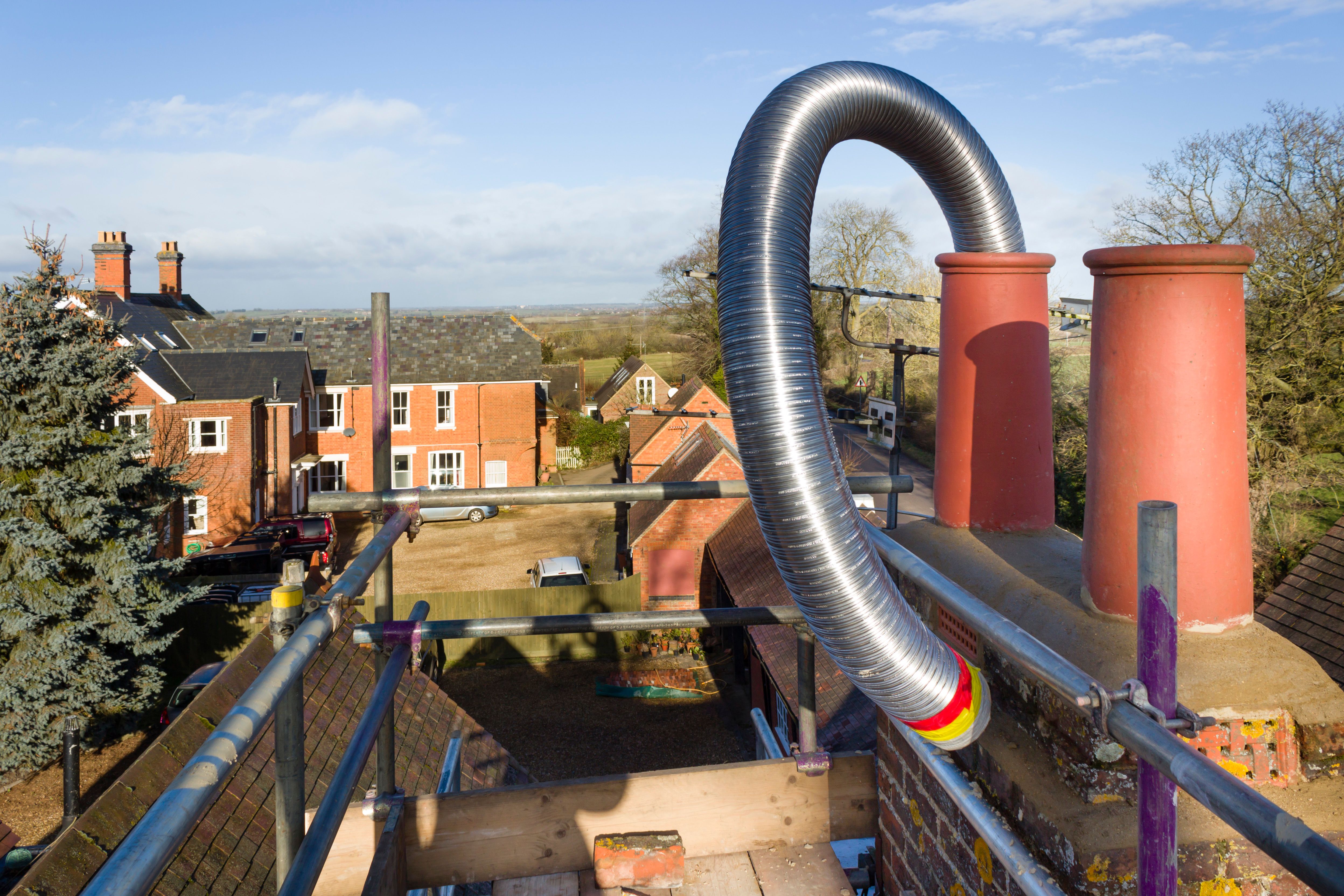
Listed Code Compliant
Why Stainless Steel Chimney Liners Matter
A chimney liner protects your chimney structure and ensures the safe movement of smoke and combustion gases out of your home. Over time, older clay tile liners crack, shift, or separate. Some systems may not have the correct liner size for modern appliances. These conditions lead to draft problems, moisture damage, and dangerous gas leakage.
Stainless steel liners are the industry standard for a reason — they're durable, properly sized, and built to handle the demands of both wood-burning fireplaces and gas appliances.
- Improve draft and venting efficiency throughout the system
- Reduce the risk of carbon monoxide issues caused by poor draft
- Prevent gases from leaking through damaged or unlined flue walls
- Protect masonry from heat and acidic condensation damage
- Extend the lifespan of your entire chimney system
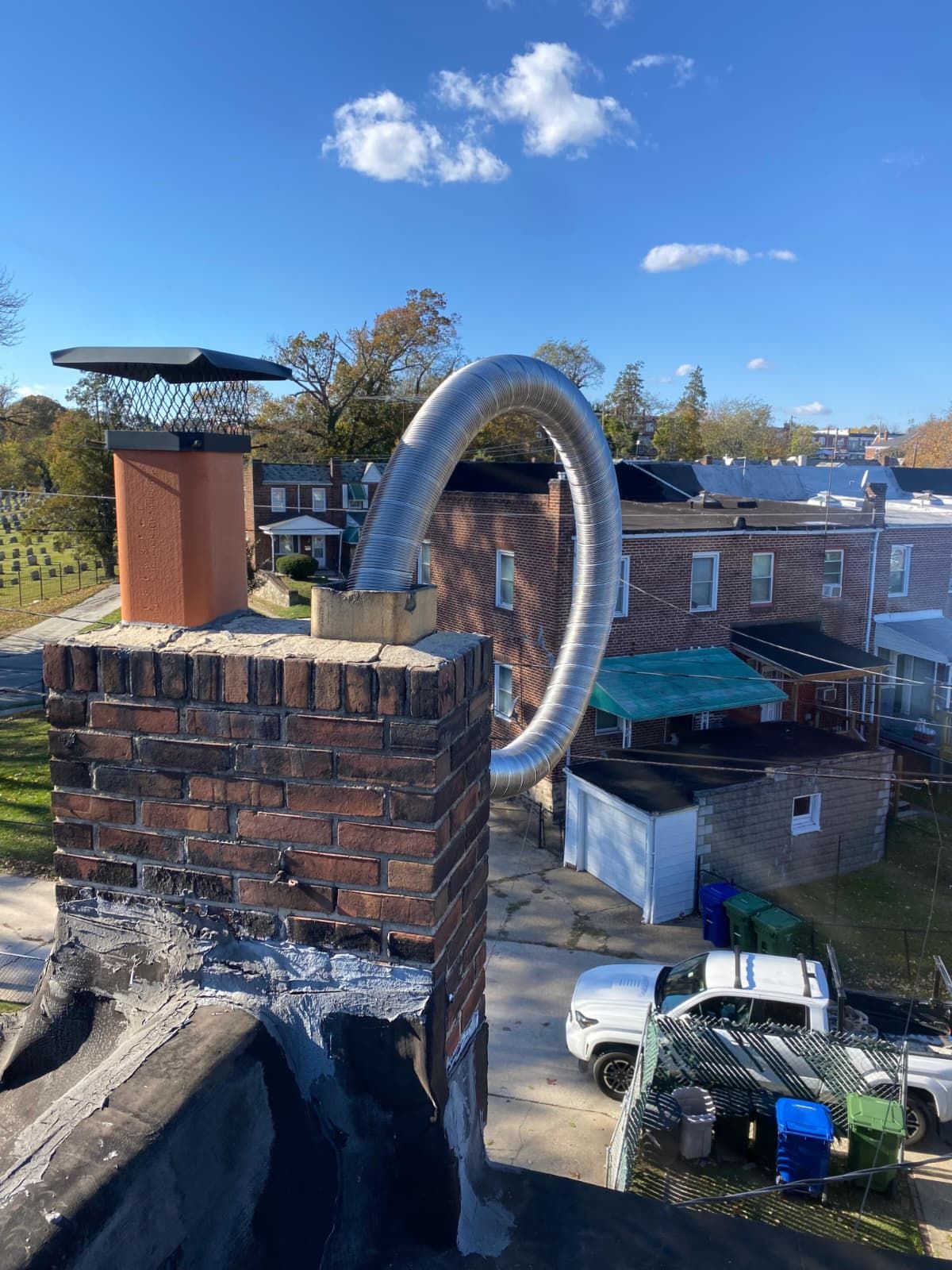
Essential for Furnace & Water Heater Venting
Many homes rely on the chimney to vent gas and oil appliances. A correctly sized stainless liner keeps these systems operating safely.
Gas Furnaces
High-efficiency gas furnaces require properly sized flue systems to vent combustion gases safely and prevent backdraft issues.
Oil Furnaces
Oil furnaces produce acidic exhaust that degrades unlined masonry chimneys quickly. A liner protects the structure and ensures clean venting.
Gas Water Heaters
Water heater exhaust must exit properly to prevent carbon monoxide from backing into the living space. Liner sizing matters here more than most homeowners realize.
Boilers
Boiler systems require specific flue configurations. We size and install liners based on your appliance's BTU output and manufacturer venting requirements.
If the flue is oversized, unlined, or deteriorated, gases can cool too quickly and create condensation that damages the chimney from the inside. A correctly sized stainless steel liner maintains proper temperature, improves draft, and supports safer long-term operation.
Our Liner Installation Process
Proper installation is more than just dropping a liner. Long-term performance depends on correct sizing, insulation, and secure terminations at both ends.
Full Inspection & System Evaluation
We evaluate your flue structure, appliance connection, draft performance, and existing liner condition to determine the correct solution before any material is ordered or installed.
Professional Sizing
Correct sizing is critical for safe and efficient venting. We size the liner based on your appliance type, BTU output, flue height, and venting requirements so the system drafts properly from day one.
Insulation for Performance & Durability
We install liner insulation when required to improve draft performance, reduce condensation, and support code compliance. Insulation protects the liner and chimney structure for long-term durability.
Secure Termination & Cap Installation
We complete every installation with proper top termination, a storm collar when applicable, and a secure chimney cap — protecting the system from water intrusion, debris, and animal entry.
Why Choose DMV Chimney for Liner Installation
We focus on safe venting, reliable draft performance, and long-term durability — not the fastest installation or the lowest upfront price.
UL-1777 Compliant Liner Systems
Every liner we install is UL-1777 listed — the industry safety standard for flexible and rigid chimney liner systems.
Professional Sizing for Your Appliance
We don't guess at liner size. We calculate it based on your specific appliance, flue height, and manufacturer requirements.
Insulation Options for Code Compliance
We install liner insulation when required and explain exactly what your system needs and why.
Clear Documentation & Written Recommendations
Every installation includes written documentation so you know exactly what was installed, how it was sized, and what the warranty covers.

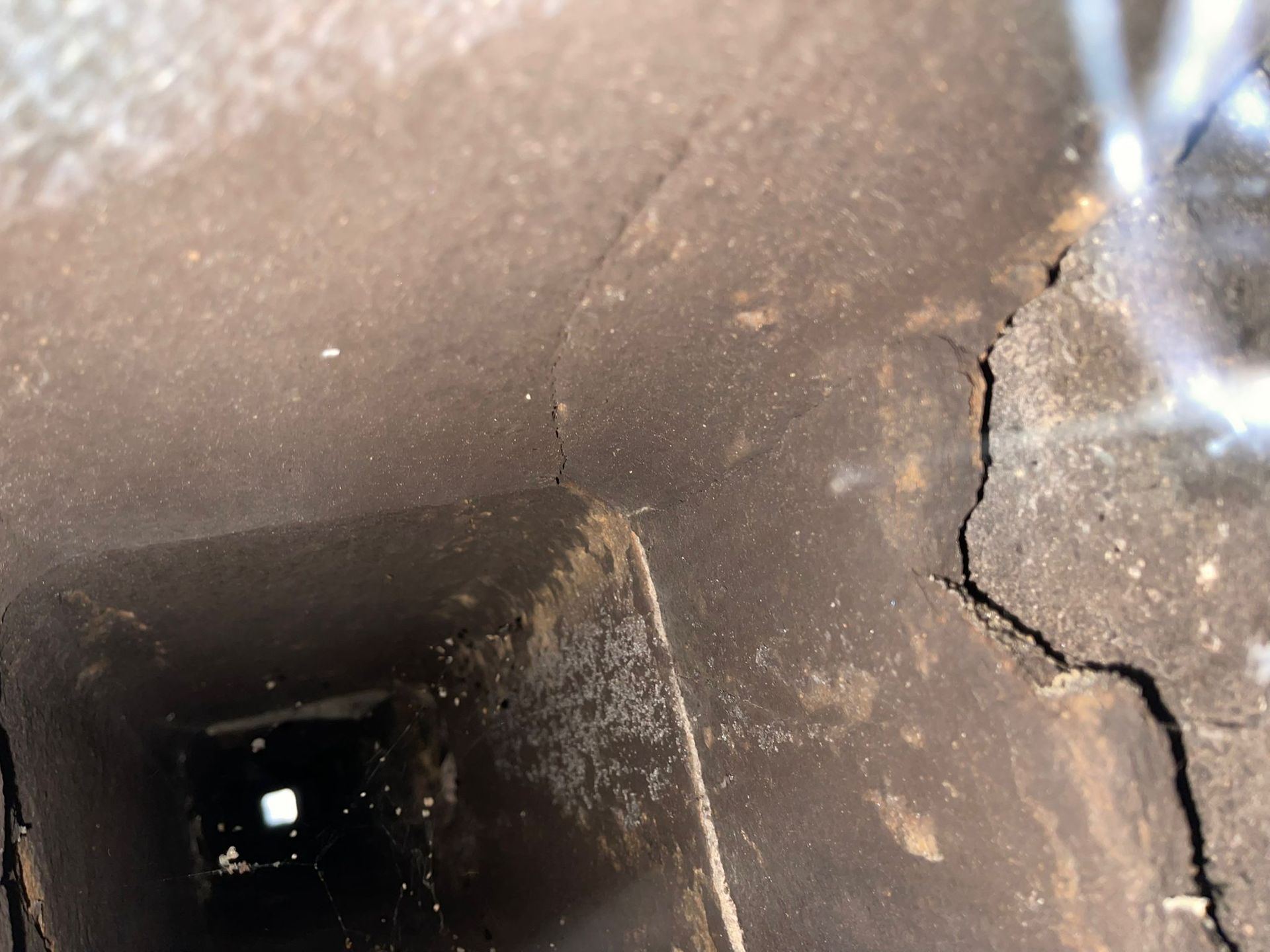
Signs You May Need a New Chimney Liner
If you notice any of the following, schedule an inspection — liner issues rarely stay minor for long.
- 💨Poor draft or exhaust smells near appliances
- 💧Moisture damage, staining, or deterioration inside the chimney
- 🦀Rusted or separated metal liner components
- 🧱Cracked or missing clay liner tiles visible in the flue
- 🌫️Excessive condensation or water entry into the flue
- 📋Failed chimney inspection flagging venting safety concerns
If you're unsure, we can inspect and recommend the correct liner solution for your system.
Compliant
What UL-1777 Means for Your Home
UL-1777 is the Underwriters Laboratories safety standard for chimney liners. It covers both flexible and rigid stainless steel liner systems and certifies that the liner can handle the heat, condensation, and mechanical demands of chimney venting.
When we install a UL-1777 listed liner, you receive documentation confirming your system meets the safety standard — useful for insurance purposes, home sales, and any future inspection.
If your furnace or water heater vents through the chimney, liner condition is not optional — it's a safety requirement. We don't cut corners on compliance.
Serving the Entire DMV Area
DMV Chimney provides professional chimney liner installations throughout Washington DC, Northern Virginia, and Maryland. Our technicians are experienced in servicing masonry chimneys, metal liner systems, wood-burning fireplaces, and gas venting systems. We focus on safety, thorough workmanship, and long-term performance.
Schedule a Chimney
Liner Inspection
If your furnace or water heater vents through the chimney, liner condition is a safety requirement — not optional. DMV Chimney provides professional liner inspections and stainless steel liner installations designed to meet code and protect your home for the long term.